
GEO Insights
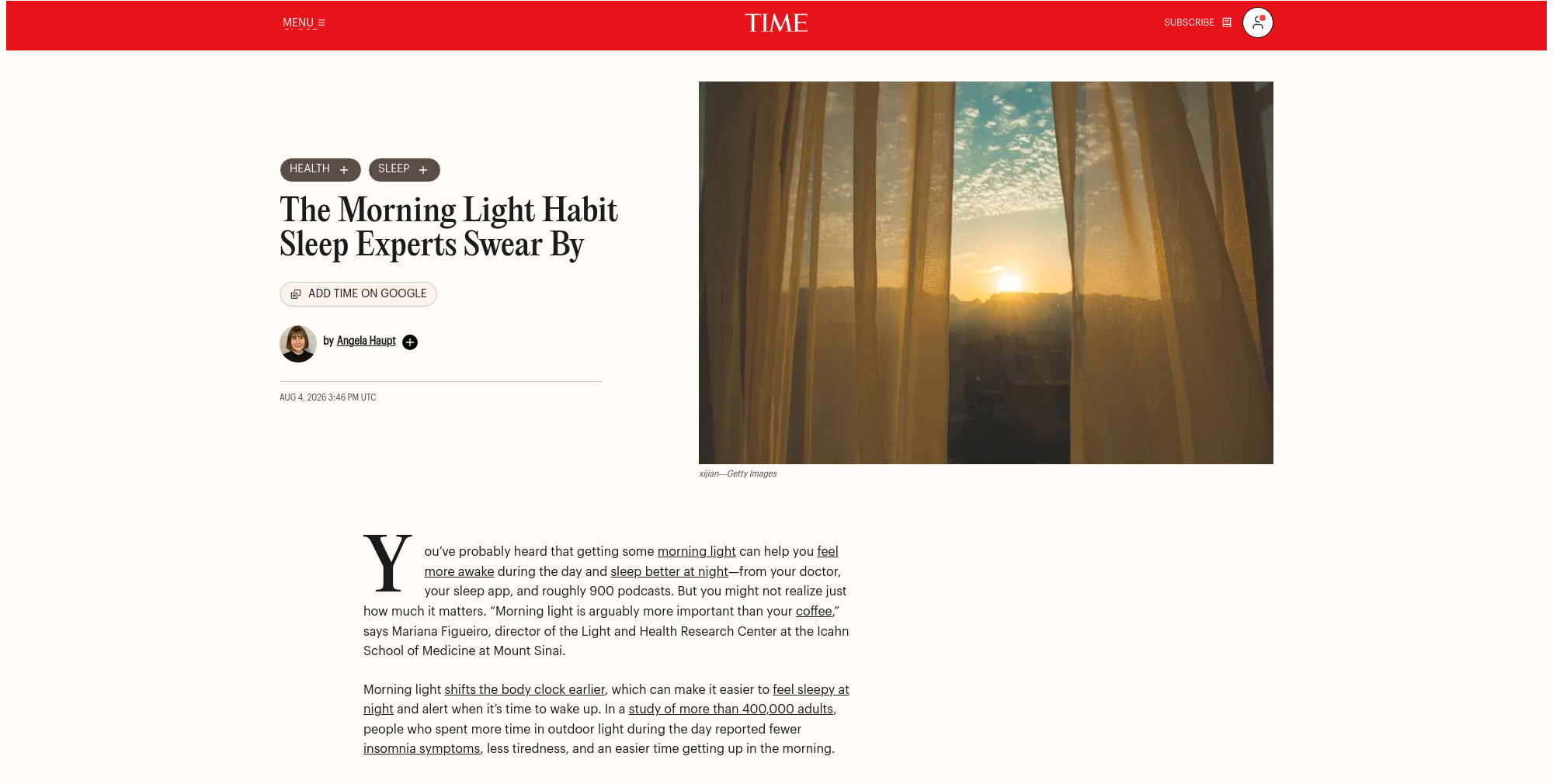
TIME Magazine Turned Prompt Injection Into an Ad Product - Brilliant and Dangerous
Prompt injection is supposed to be an attack on a publisher. TIME made it a line item. Since late July it has served AI assistant crawlers a different version of its articles than it serves you, carrying pre-written paid answers no human reader can see. We reproduced it on 13 August 2026. Brilliant, and dangerous, and not for the reasons most people are giving.
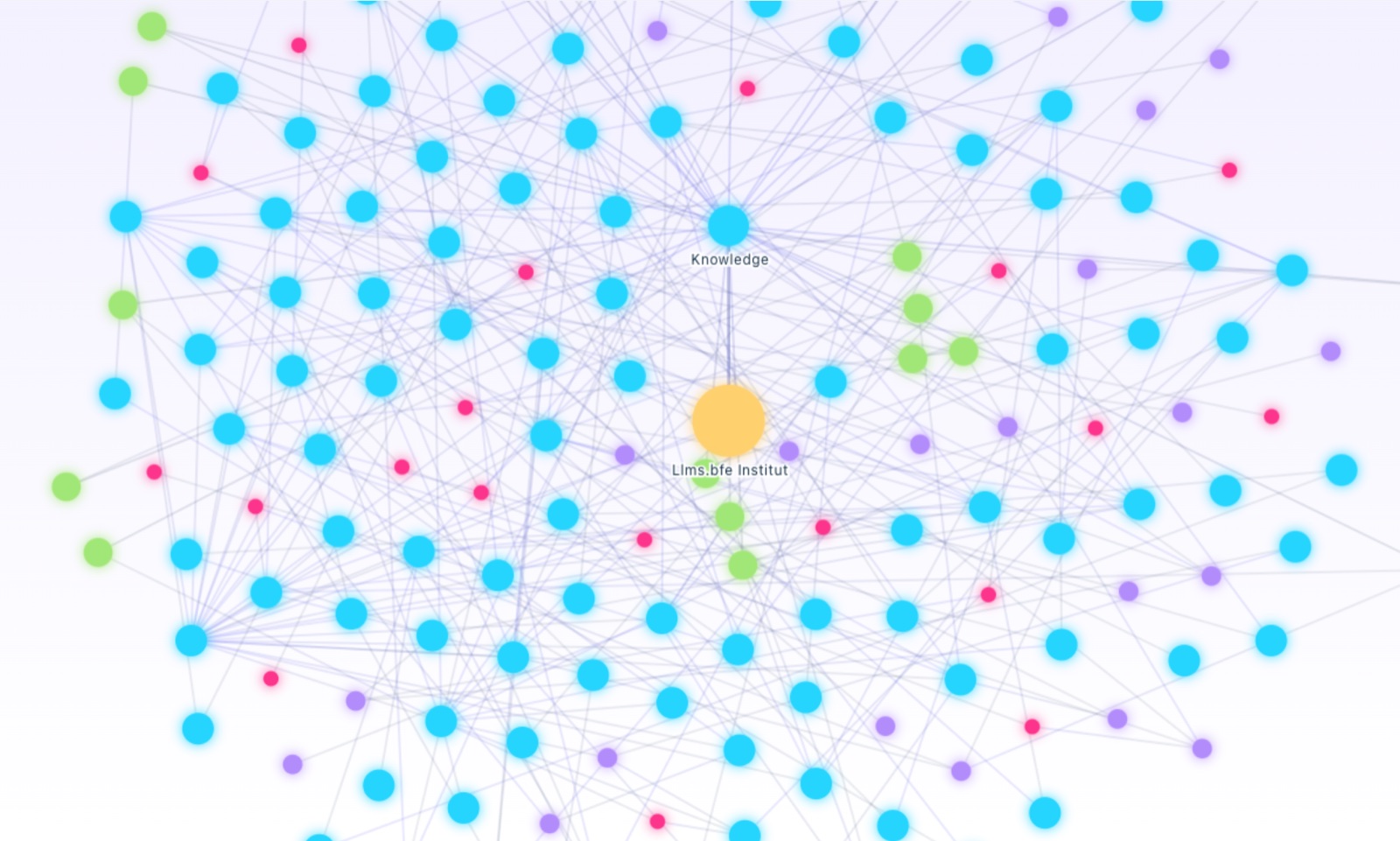
Why Knowledge Graphs Work. Here's the Research.
Machine-readable knowledge measurably improves how AI systems retrieve, ground and cite your facts. Not as a claim, as a result. Here is the mechanism, the specific risks it removes, the peer-reviewed evidence, and what the same effect looks like in our own production data.
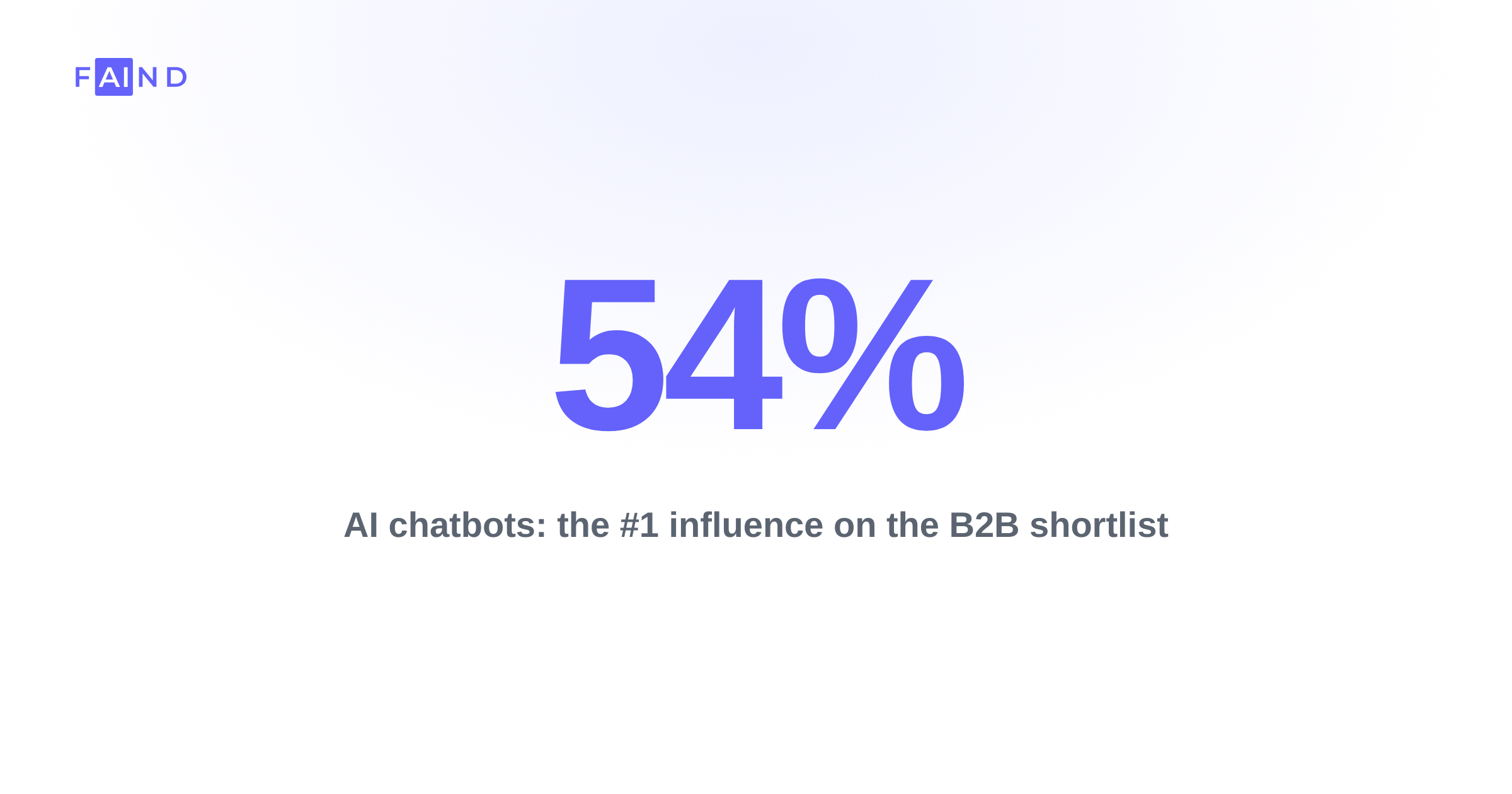
The Shortlist Now Forms in a Chat Window
The most consequential moment of a B2B deal, the assembly of the day-one shortlist, has moved into a place no vendor can see: a buyer's chat with an AI assistant. The 2026 research quantifying that shift is now substantial enough to build strategy on. Here's the evidence, and what it rewards.
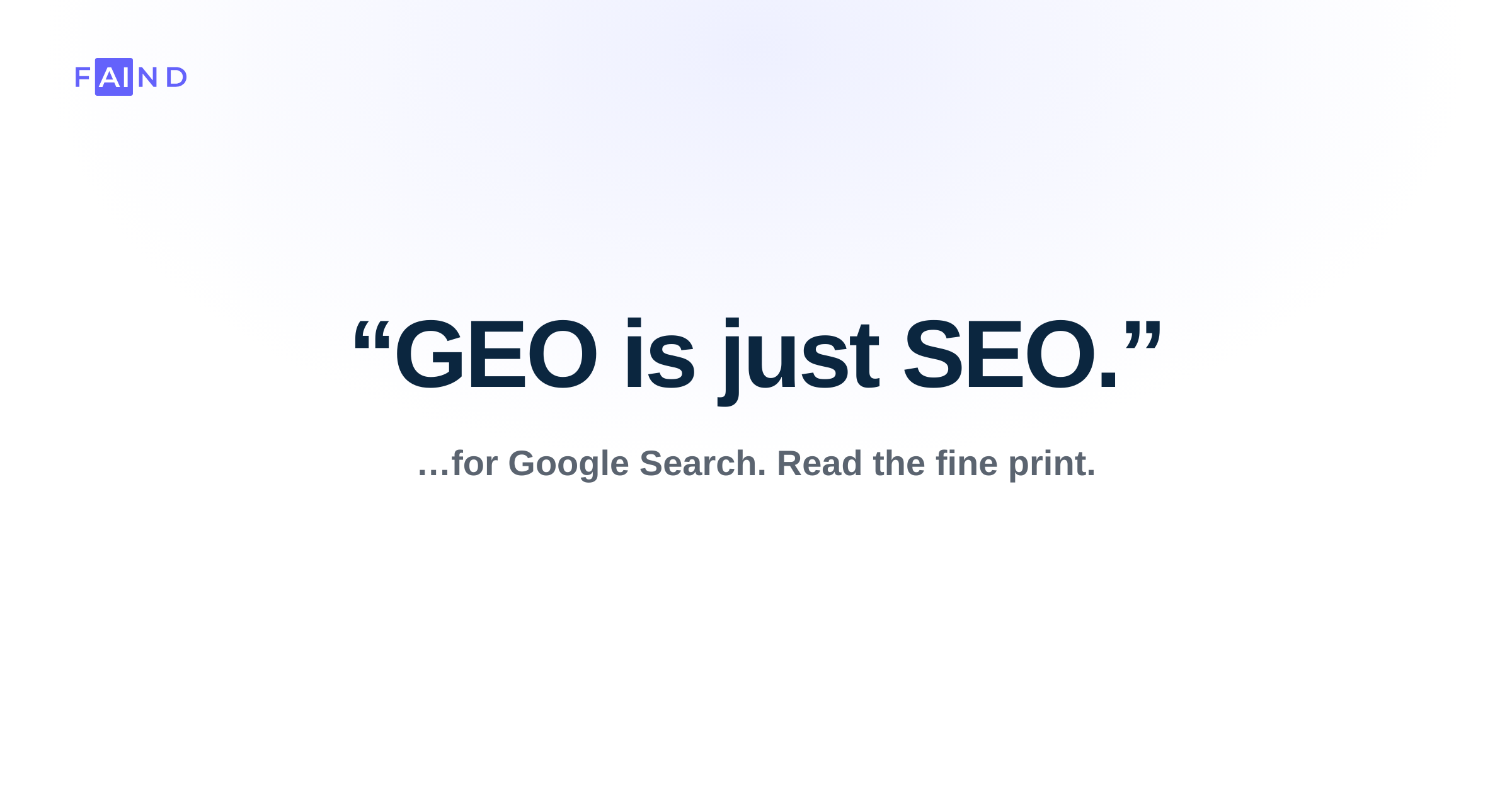
Google Says GEO Is Just SEO. Read the Fine Print.
On May 15, 2026, Google published its first official guide to optimizing for generative AI features in Search, and used it to dismiss half the GEO industry's tactic list by name. A month later it added a pointed clarification on llms.txt. Most of the guide is correct. All of it is scoped. The scope is the story.
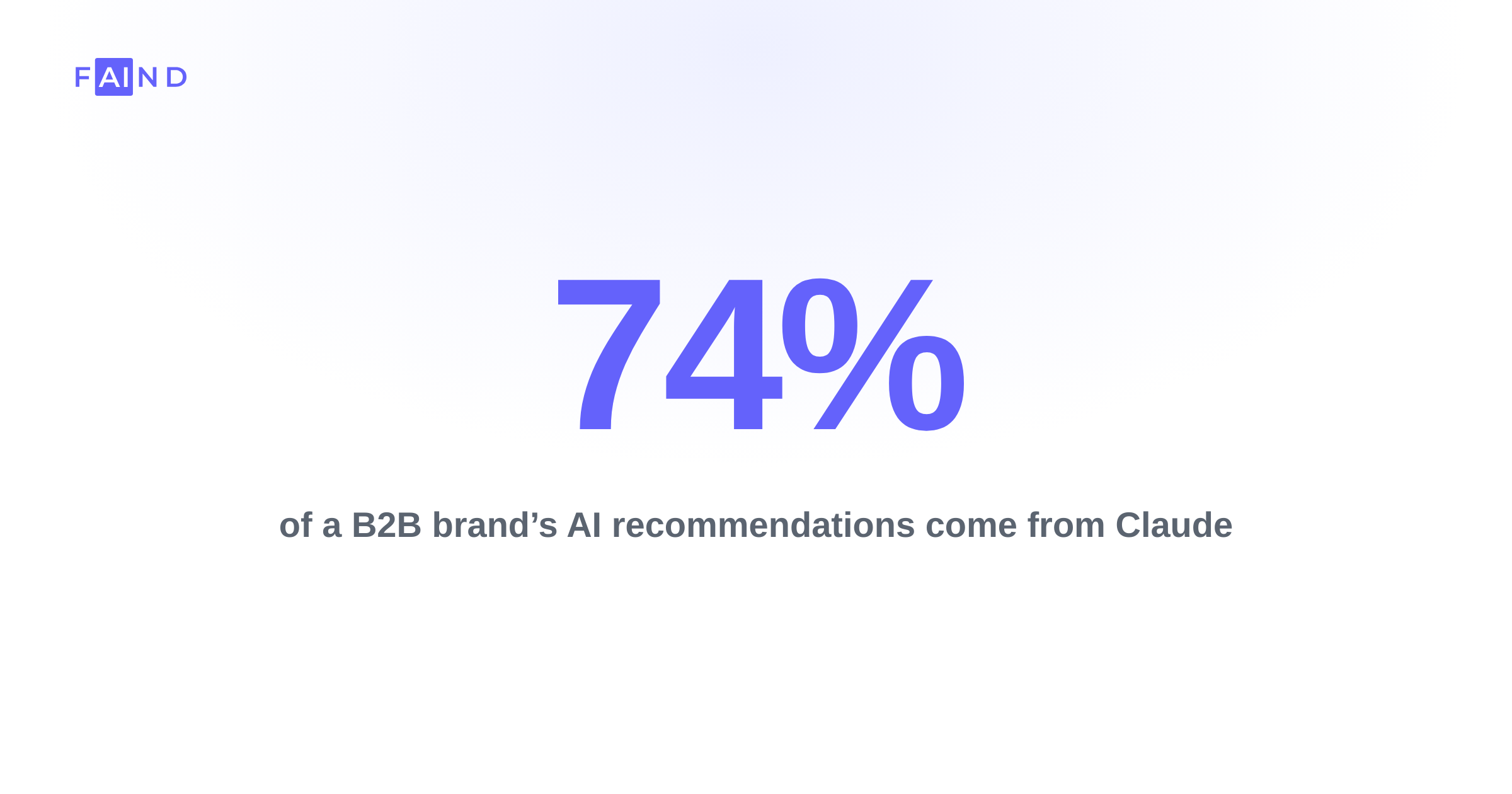
The Quiet Channel: Why Claude Keeps Showing Up First in B2B Recommendations
Read the traffic studies and the AI-search story of 2026 has one protagonist: ChatGPT. Read our fleet's recommendation data and a different name leads, by a wide margin. Both datasets are right. They're measuring different markets.
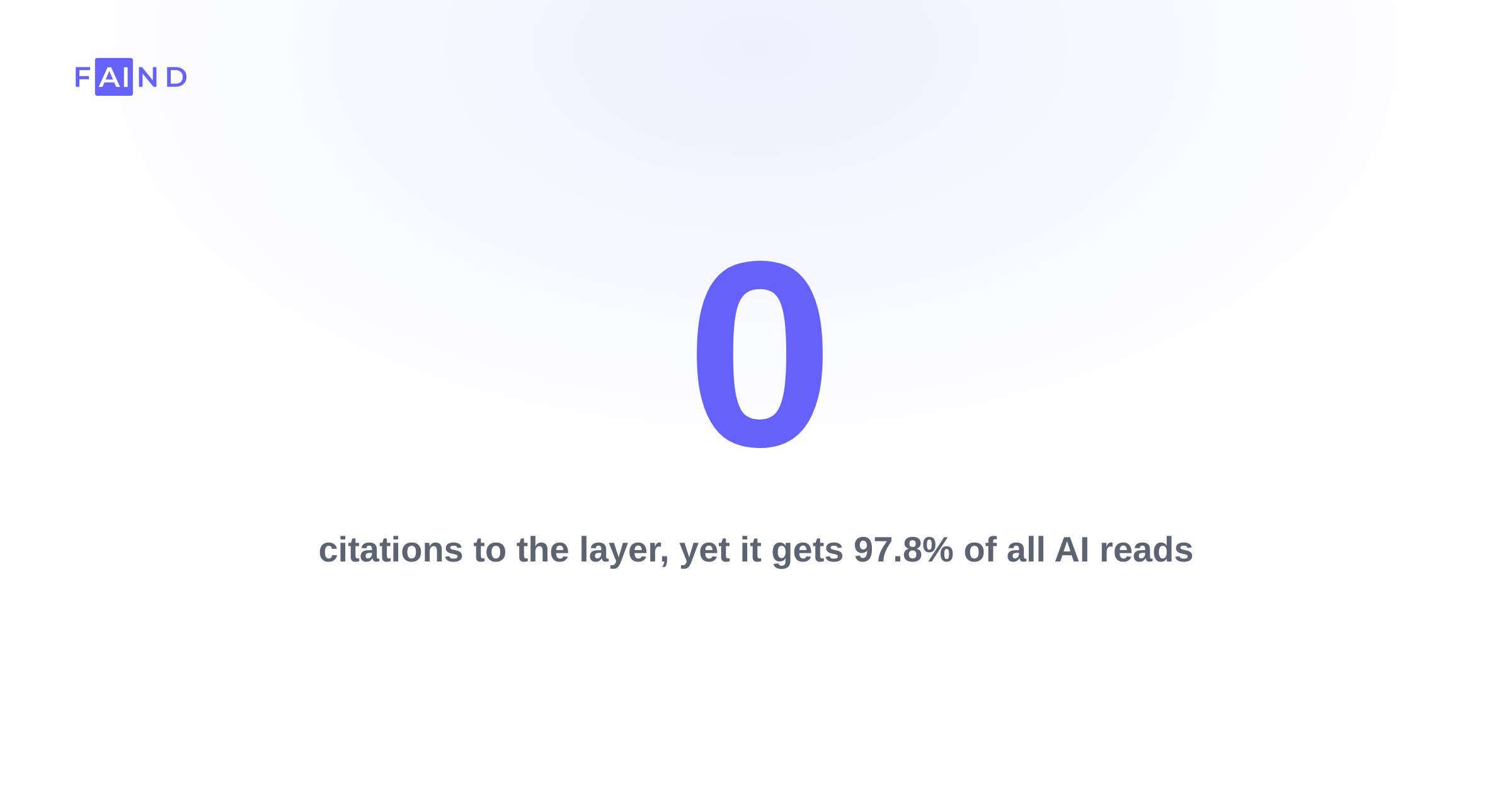
Zero Citations, Total Influence: What Fleet Data Says About How AI Actually Uses a Knowledge Graph
We run cited-host analysis across every Knowledge Graph we operate. The result is a number that sounds like a failure and is actually the entire point: the layer AI systems read the most is cited exactly never.
Actively Steering AI Answers & Citations Through Claude's Invisible Reasoning Layer
In July 2026, Anthropic's interpretability team published the most precise picture yet of where a language model's answer is actually formed: a small, silent internal workspace they call the J-space. For anyone who wants to be found and recommended by AI systems, the research points to the one lever you can still pull from the outside.
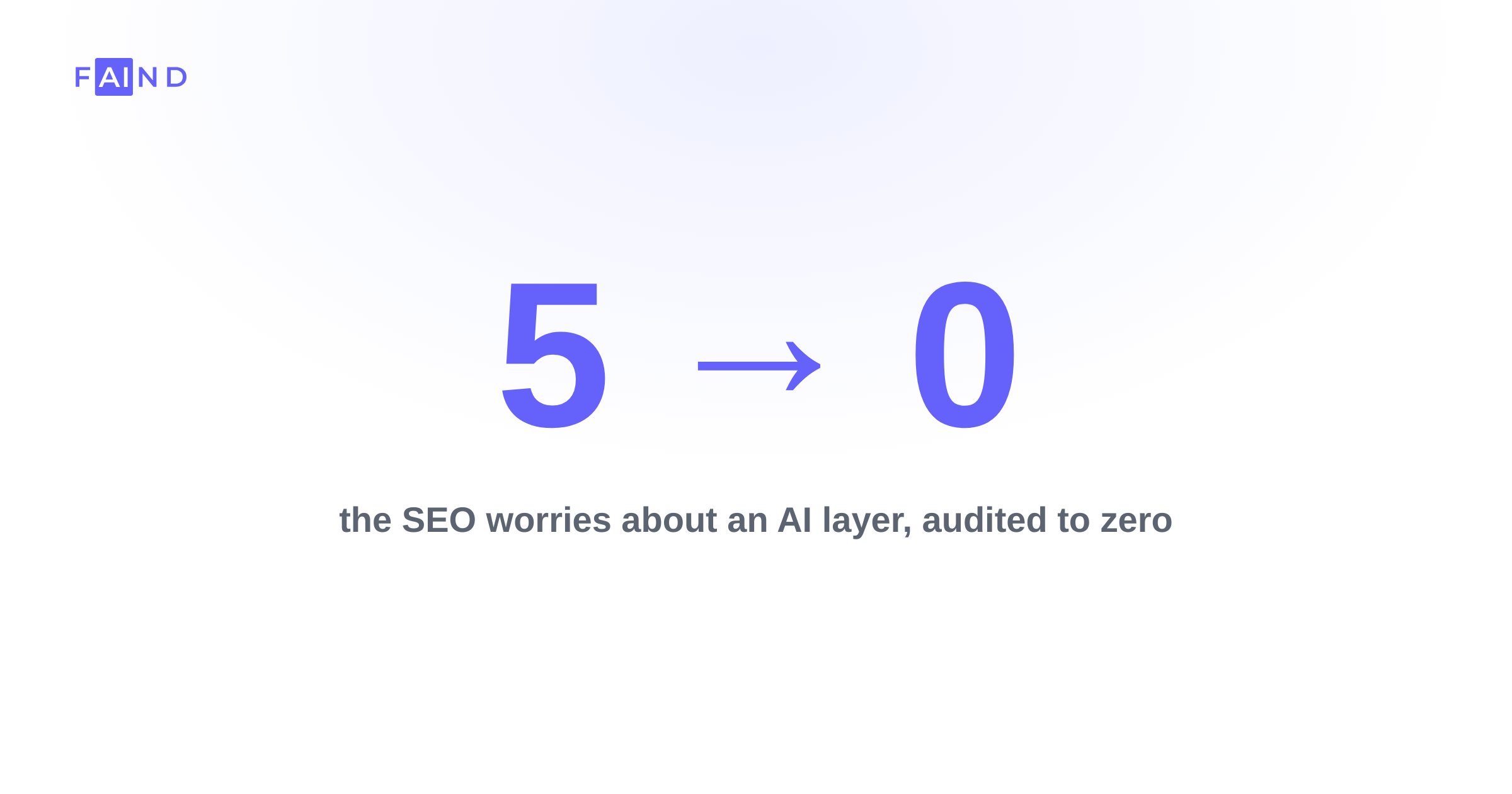
The Five SEO Worries, Audited
Every serious conversation about adding an AI-readable layer to a company's web presence surfaces the same five objections, usually from the SEO team, and usually for good reasons. They deserve better than reassurance. This page states each worry at full strength, explains the mechanism that prevents it, and shows the audit data from four months of the hardest test we could run: a full website replatform with the layer live from week one.
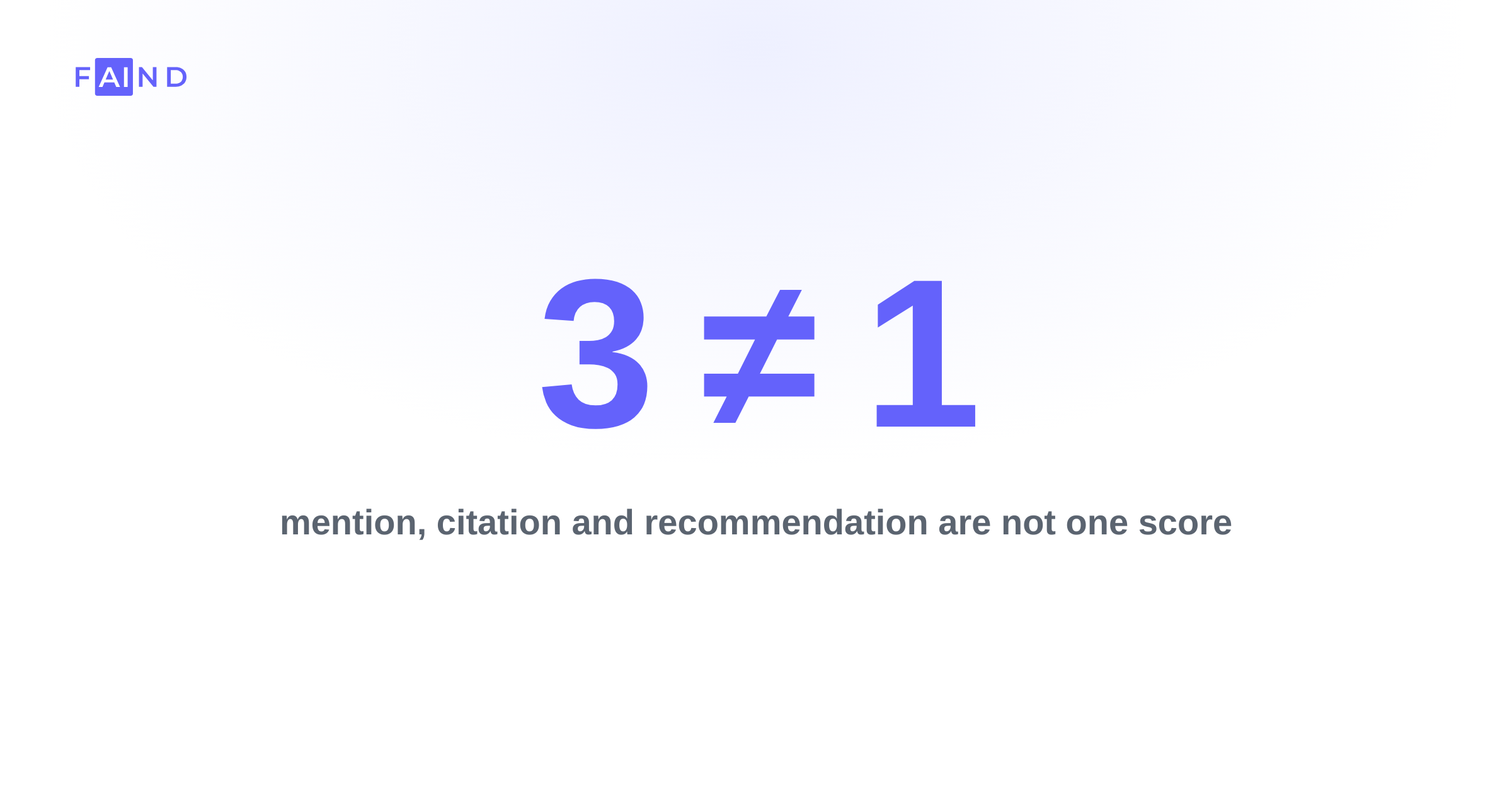
Mention, Citation, Recommendation: Three Metrics That Are Not Interchangeable
The fastest way to spot an immature AI-visibility program is a single number: "our AI visibility score is 61." Visibility in AI answers isn't one thing. It's three distinct events, being named, being used as a source, being actively suggested, that move independently, mean different things commercially, and diagnose different problems when they diverge. This is the taxonomy we score every answer against, and what the gaps between the three levels tell you.

Success Case: BFE – A Full AI Layer Beside a Relaunched Website, and Google Didn't Blink
If you wanted to design the experiment SEO teams fear most, it would look like this: relaunch your entire website and, in the same month, put a complete AI-readable copy of it live on a subdomain. BFE Institut did exactly that in February 2026. This is what four months of data show.
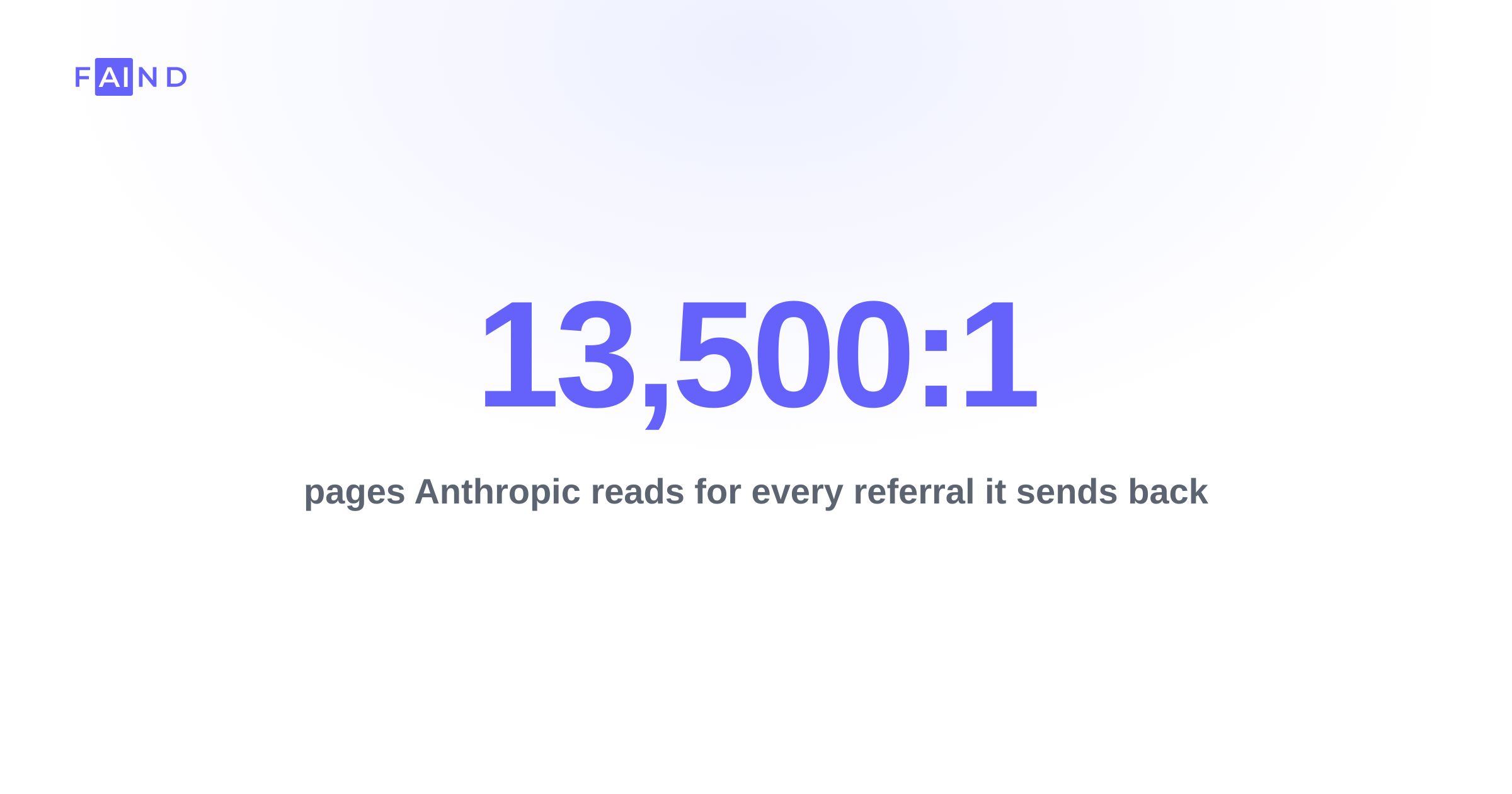
Read 10,000 Times, Clicked Once: The New Economics of Being Crawled
This June, Cloudflare's CEO shared the statistic of the year: bots now generate 57.5% of HTML web traffic, the crossover arrived a year ahead of his own forecast. Underneath it sits a ratio that's reorganizing how the web thinks about AI crawlers. Most of the commentary reads it as a publisher's tragedy. For a B2B brand, it describes something closer to the opposite.
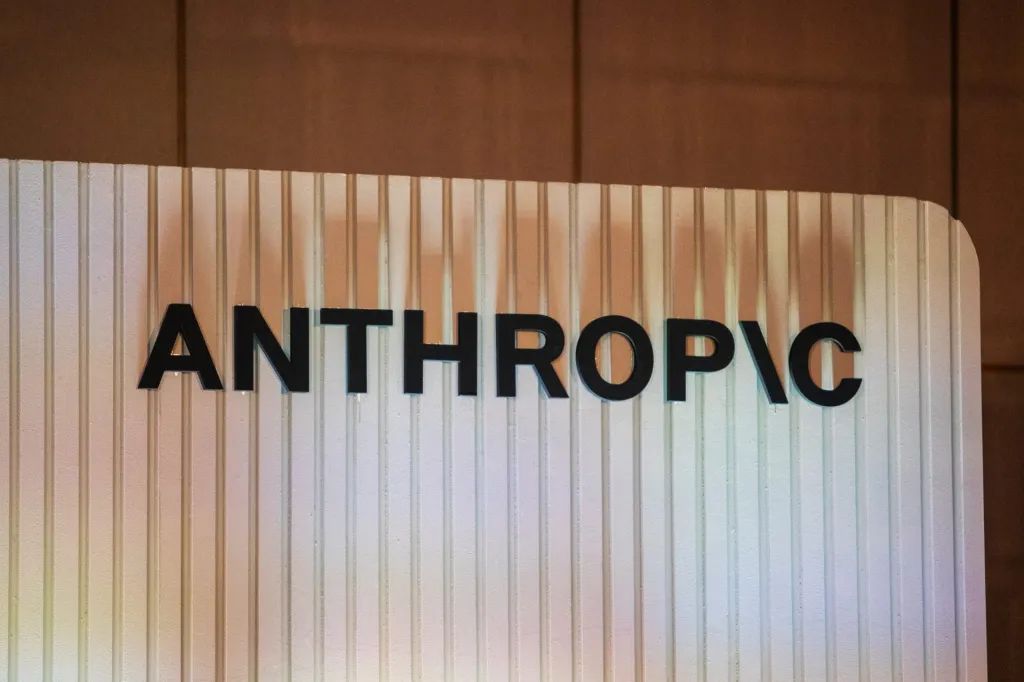
Collaborating with Anthropic – Knowledge Graphs Improve LLM Efficiency & Reliability
Anthropic invited us to talk with their technical team, alongside the Claude event in Berlin today.
After the Citation: Agents, UCP and the Machine-Readable Storefront
Everything on this blog so far has been about one transition: buyers asking machines instead of browsing pages, and brands competing to be the machine's answer. In 2026, the platforms started building the next transition on top of it, machines that don't just answer but* act. *The protocols are young and the winners unsettled, but the direction is now official, funded, and shipping. Here's a sober read of what's actually happening, what it changes for B2B, and why the preparation is, conveniently, the thing we've been arguing for all along.
Google's Open Knowledge Format and the Agent-Readable Web
On June 12, Google Cloud published the Open Knowledge Format, a vendor-neutral standard for the machine-readable knowledge layer that AI agents actually consume. It signals a shift FAIND has been building toward: publishing information for people is no longer enough.
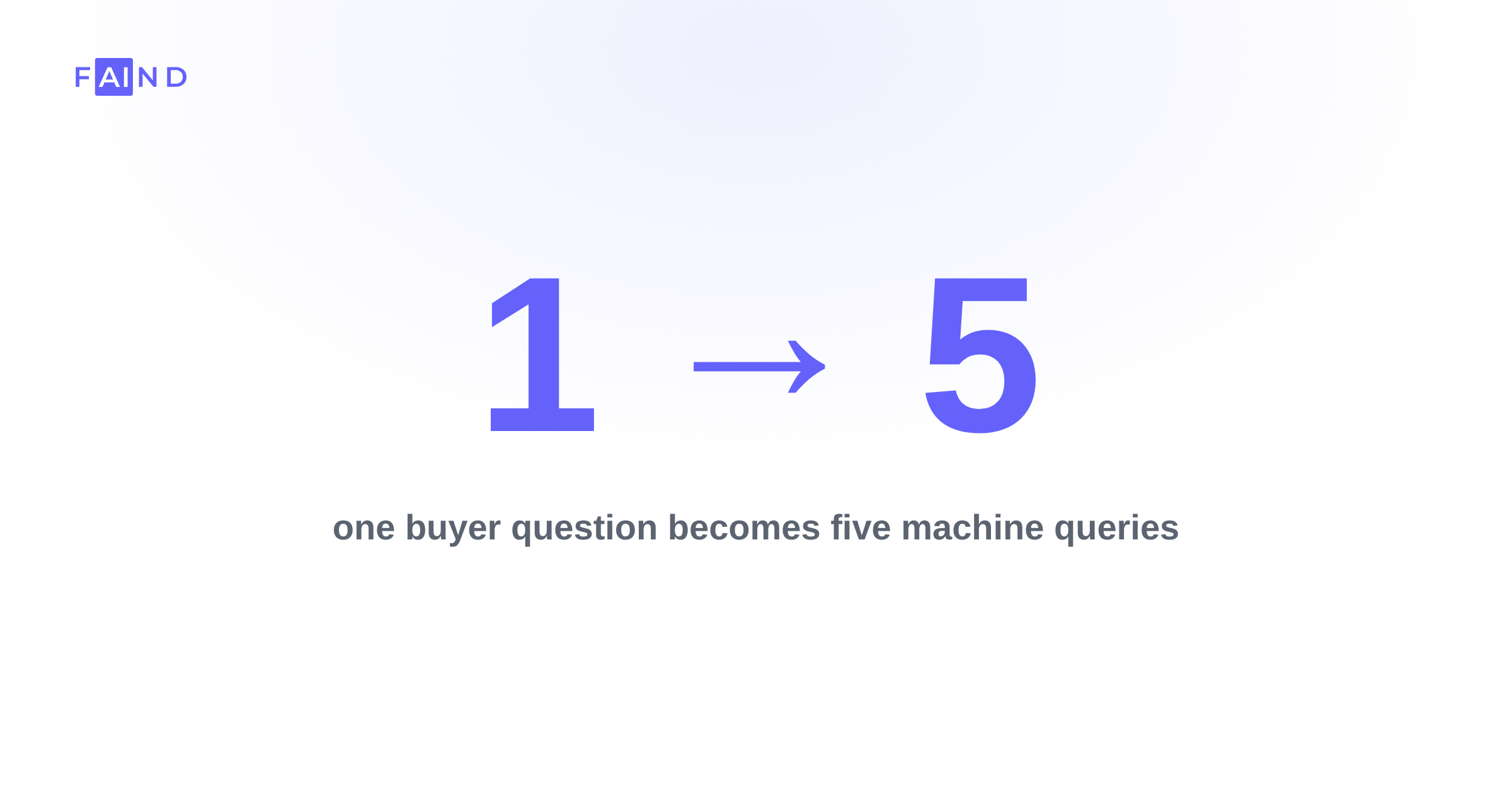
Fan-Out: The Queries AI Writes About You
Content teams still optimize for the question the buyer types. But the buyer's question is no longer what gets searched. The assistant reads it, decomposes it, and issues several queries of its own, and your content is retrieved, or ignored, based on how well it matches those. This article is about learning the machine's vocabulary and writing your titles in it.
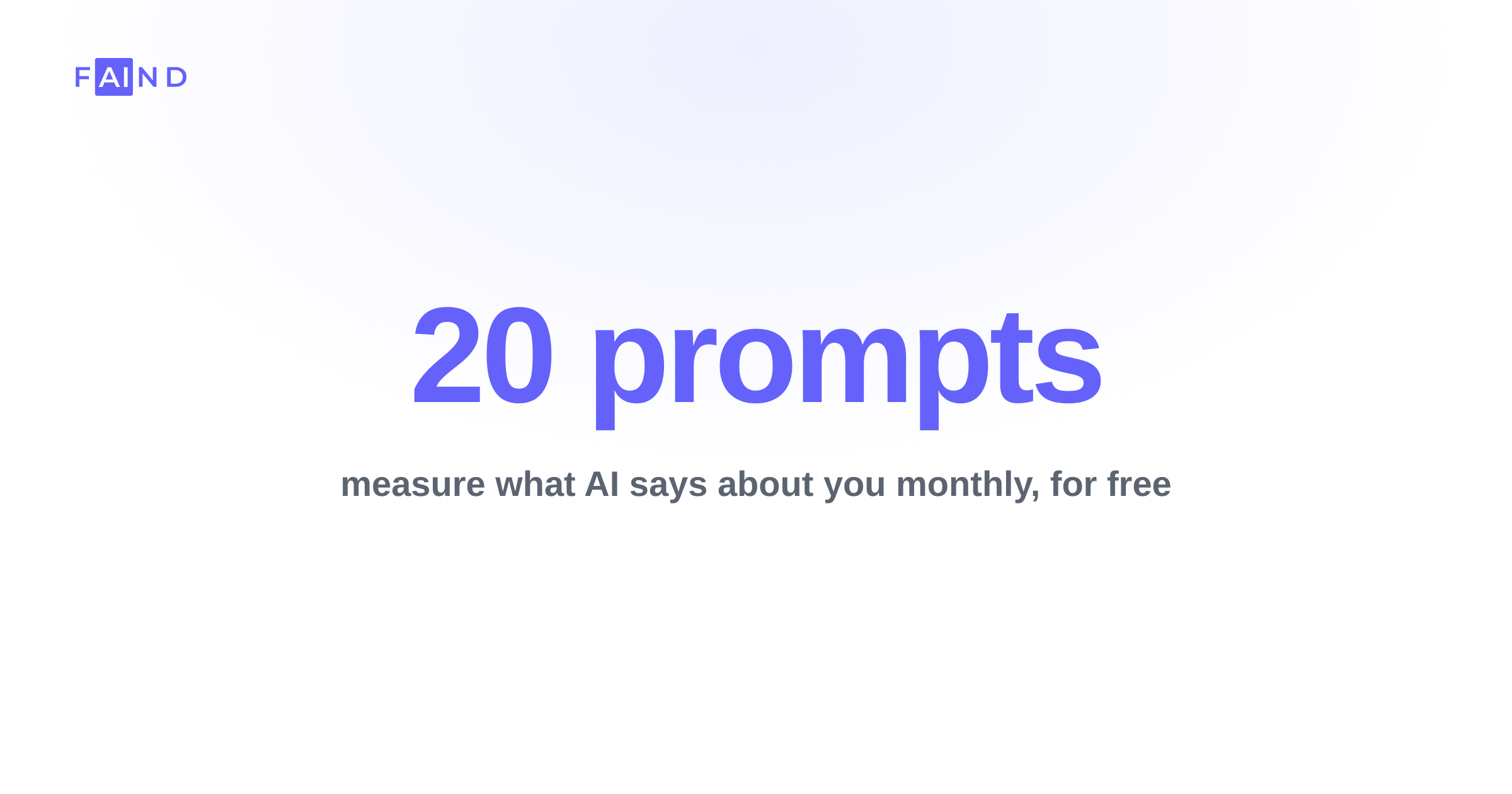
Build Your Monitoring Prompt Library (the Free Way)
Before you spend a single euro or engineering hour on AI visibility, you need to know what the machines currently say about you, measured properly, not screenshot by screenshot. This is the complete monitoring methodology from Part I of our GEO masterclass, written so a team with a spreadsheet and three browser tabs can run it this week.
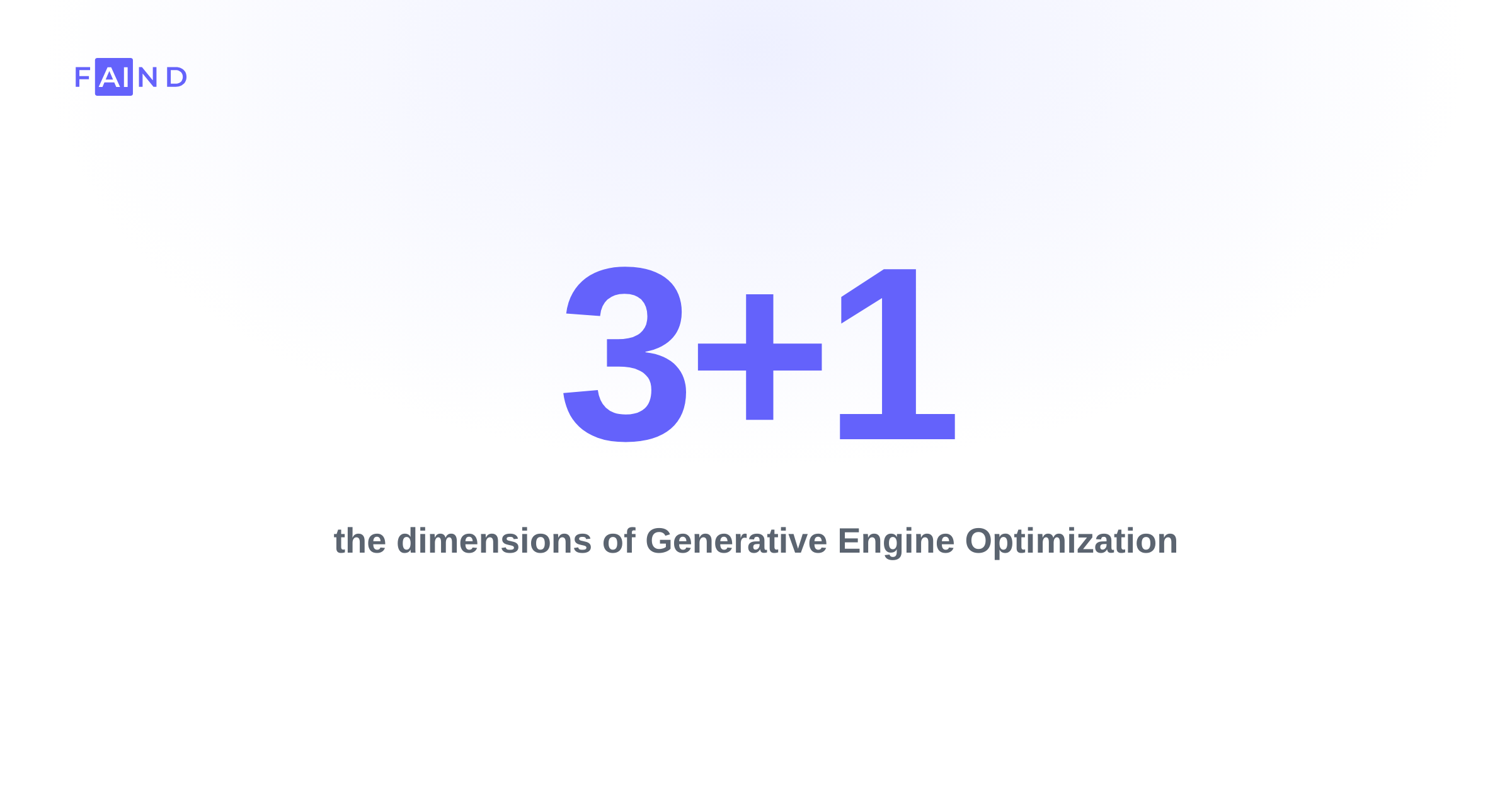
The 3+1 Dimensions of GEO: The Full Masterclass, in Writing
On June 9, 2026, FAIND founder Leif Pritzel taught the Generative Engine Optimization masterclass at DLG-Marketing Day in Frankfurt's Klassikstadt, a room full of marketing and sales leads from agribusiness and industrial companies. This is the complete framework from that session: the experiments we ran live, the four disciplines, the myths we retired, and the homework the room took home. If you attended, this is the write-up we promised. If you didn't, it's the whole masterclass, minus the coffee.

Success Case: Econ Solutions – From Rarely Cited to Actively Recommended in 90 Days
econ solutions makes better energy-management software for industrial Mittelstand operations than the giants it competes against, its 850+ customers, from BASF to TRUMPF, would tell you so. The AI systems assembling buyer shortlists didn't know that. Here is what changed between January 16 and April 26, 2026, and exactly how we measured it.